Pastoral letters read in churches over weekend of Fourth Sunday of Lent
OTTAWA (CCN)
The Catholic archbishops in two of Canada’s largest English-speaking dioceses stepped up their campaign against euthanasia and assisted suicide, calling the faithful to action March 5-6.
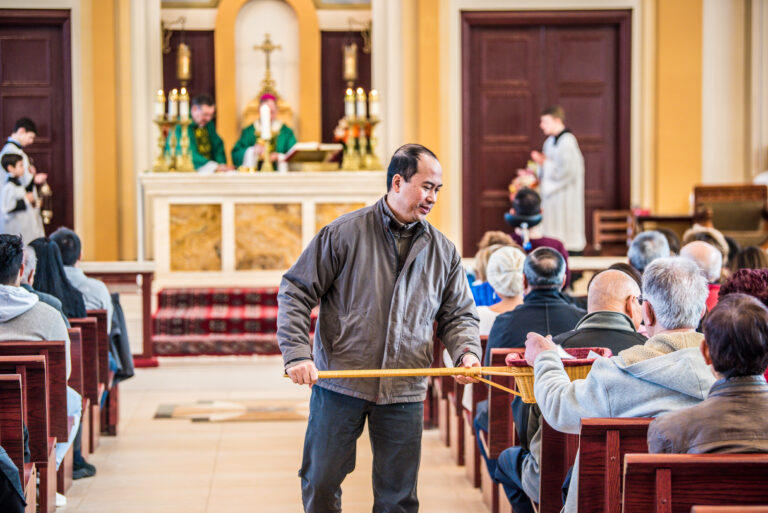
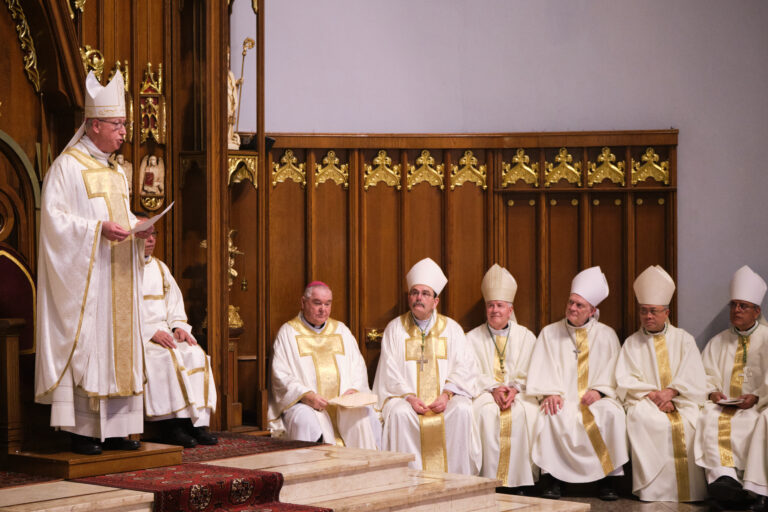
Both Cardinal Thomas Collins and Archbishop Terrence Prendergast issued pastoral letters that were read in parishes during Masses over the weekend of the Fourth Sunday of Lent, garnering much mainstream media coverage as a result.
“Physicians across our country who have devoted their lives to healing patients will soon be asked to do the exact opposite,” Cardinal Collins wrote. “They will not be asked to ease their suffering by providing them with treatment and loving care, but by putting them to death. In fact, killing a patient will no longer be considered a crime, but will actually be seen as a kind of health care, complete with legislation to regulate it.”
Cardinal Collins said recent recommendations of a parliamentary committee “should shock us to the core.” The recommendations open the possibility of euthanasia for minors; include advanced directives so those diagnosed with dementia can “pre-schedule their deaths; and recommend allowing euthanasia for those with psychiatric conditions.
The committee also recommended doctors who refuse to kill their patients find someone else to do it, he said. “No other country in the world requires such a violation of conscience.”
“It is unjust to force people to act against their conscience in order to be allowed to practice as a physician or, in the case of a health care facility, in order to qualify for government funding. It is not tolerant of religious diversity,” Cardinal Collins stressed. “It is religious discrimination that punishes those who so faithfully serve everyone who comes to them, and have done so since before Canada existed but who, in good conscience, cannot perform some procedures, such as helping to kill their patients.”
Cardinal Collins urged Catholics to join the Coalition for HealthCARE and Conscience via its website Canadiansforconscience.ca. It represents an array of groups, including the Toronto Archdiocese and physicians’ organizations that wish to protect the conscientious rights of health care workers and religious institutions.
“Mindful of the inherent dignity of each person, it is time for families across the country to have a difficult but necessary conversation about the reality of death,” Cardinal Collins said. “We need to understand the destructive implications of these legal changes, and offer truly loving and merciful alternatives.”
He urged Catholics to use the site to help them in contacting their elected representatives.
Archbishop Prendergast also called on Catholics to share their concerns with their federal and provincial representatives.
“Talk to your friends and co-workers about the grave threat to human dignity and life that assisted suicide and euthanasia pose to our most vulnerable neighbours,” he said. “Explain to your children, grandchildren, friends, and associates the importance of reverencing human life that begins at conception in the womb and ends in natural death.”
Archbishop Prendergast explained Catholic teaching that taking one’s life or that of another is “morally unacceptable.”
“To formally cooperate in the killing of the disabled, frail, sick, or suffering, even if motivated by a misplaced compassion, requires a prior judgement that such lives do not have value and are not worth living,” he said. “But all human life has value. The law should protect all life. No one forfeits the right to life because of illness or disability.”
The Ottawa Archbishop called on all Catholics to fast and pray that parliamentarians “heed our concerns,” he said. “Please take part in a Novena to St. Joseph from March 10-18. Let us pray that our legislators at the national and provincial levels will protect life, especially that of the most vulnerable, and that they will respect the right of medical professionals to refuse to take part in assisted-dying.”
In news coverage, following the remarks, Archbishop Prendergast said those who request a doctor-assisted death would not be able to receive the Last Rites. A priest could come and pray with them, and perhaps try to dissuade them, he said.
“Take courage,” the archbishop said in his pastoral letter. “Do not be afraid to stand up for the value and dignity of life. Catholic Christians have a special role to play in resisting this culture of death. I call on all Catholics to be strong supporters and proponents of the Gospel of Life. Make your voice heard.”
The archbishops’ pastoral letters are but the latest in a series of interventions by bishops from across the country and by the Canadian Conference of Catholic Bishops on this matter.