Retiring bishop speaks on the importance of forgiveness
By Josh Tng
The B.C. Catholic
Langley
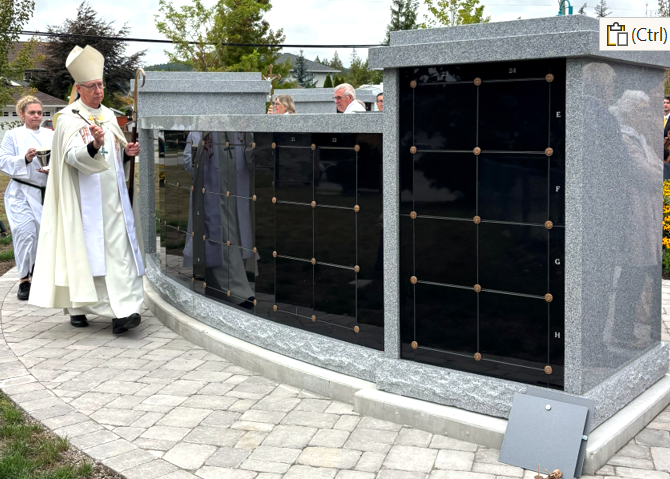
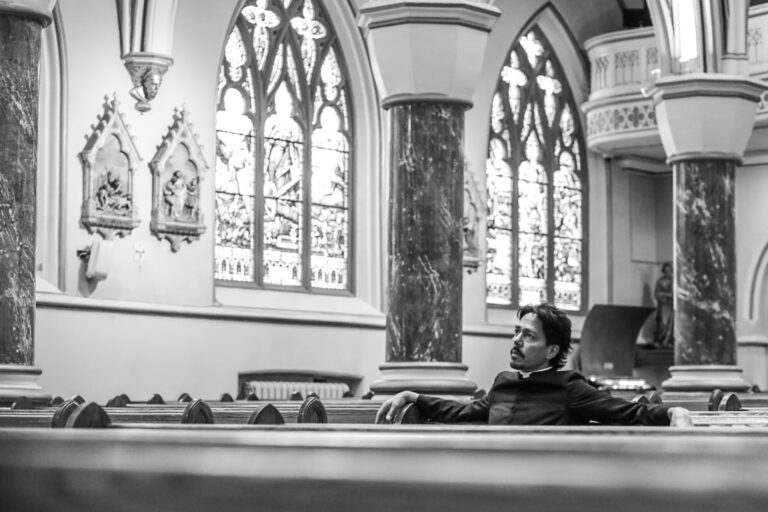
Caption: Bishop David Monroe
A Catholic organization is gathering volunteers to bring hope and peace to victims of crime and their loved ones.
Catholic Charities Justice Services (CCJS) held a forum to discuss a new program called Victim Circles of Support June 4; 80 individuals arrived at the Holiday Inn Express & Suites in Langley to learn how crime impacts victims, and how the program could help them cope.
“Our primary goal is to provide a caring, healing, and emotional support network to those affected by crime,” said Maureen Donegan, CCJS coordinator. “So for someone who has been a victim of crime, we can walk beside them and support them while they travel a difficult journey.”
Donegan has been working to rehabilitate offenders for 14 years, while providing prison ministry and community support for released offenders. “We started (CCJS) in 2014 to help high-risk offenders return to society, growing from a handful of volunteers to 200,” she said.
As the organization grew larger, Donegan and CCJS volunteer coordinator Germaine Solaiman decided to work on reaching those on the other side of crimes. “As we have been growing and reaching out into parishes, it’s given me and Germaine time to work on our other goal of reaching victims of crime,” said Donegan.
Donegan hopes the help of a circle of volunteers will help cultivate a sense of belonging within the community and offer a respectful, non-judgmental, and confidential support network for the victims.
The forum discussed the new program heard several presentations offering further information on engaging victims of crime. Peter O’Reilly, a coordinator for Crossroads Hospice Society, spoke on his experiences dealing with grief as a hospice volunteer.
“The greatest gift you can give to these people who have been victimized is to listen,” he said. “The best thing is to give your undivided attention.”
He warned potential volunteers against trying to heal victims without dealing with their own feelings of loss. “We can always tuck our feelings deep inside ourselves and let them stay hidden until something comes and makes us feel the grief again,” O’Reilly said. “The trouble is, unless we decide to examine and deal with our grief, it will resurface.”
Some of the guest speakers at the forum gave their own account of being a victim of crime. Bishop David Monroe of Kamloops spoke about the assault on him Oct. 22, 2010, a Friday night. He was left in a coma for three weeks after being attacked by a mentally ill man in the rectory at Sacred Heart Cathedral in Kamloops.
“Being a victim in the way I was isn’t always going to happen to other people,” the bishop admitted. “When I came around (from my coma), I had no sense of pain. So for myself, the suffering of being a victim is more on the side of the young fellow that was carrying the illness. But through that incident, he realized the care he needed.”
As his aggressor was not in a right mental state, Bishop Monroe found it easy to forgive him. “He was suffering from a manic episode, and for me, forgiveness was not difficult at all. His family and the concern they had moved me.”
“We always look at what people do, but do not know the situation for that individual,” said Bishop Monroe. “Rather than judge (others) because we’ve been hurt, sometimes openness also teaches other people.”
More information on the Victim Circles of Support program is available from Solaiman at 604-307-8481.