Guest speakers urge the group to get informed and act
RICHMOND
Young adults in Richmond are trying to get more of their peers educated and vocal about human trafficking.
“Aside from feeling sad, I feel there’s more we can do,” said Laura Lam of St. Paul’s Young Adult Community.
“Everyone feels empathy for these issues and these victims. I believe that I can take action and educate people about it.”
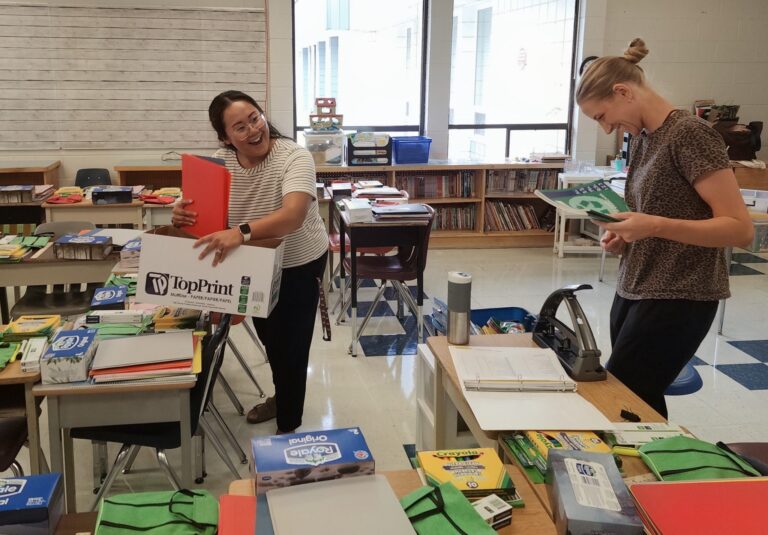
About 30 young adults gathered at St. Paul’s May 6 to learn about prostitution, the current law that addresses it, and warning signs that friends or neighbours might be in danger.
Lam was one of the organizers. “I grew up in a very fortunate family. Looking back, there are so many people out there that don’t have that support, who can be lured, who are vulnerable.”
The group watched Chosen, a short film about girls age 13 and 17 who were lured into the industry. They also heard presentations from Sister Nancy Brown, SC(H), and lawyer Gwendoline Allison.
Sister Brown serves street youth through Covenant House. Human trafficking “destroys the dignity of the human person,” she said. “It is your peers who are being affected by this.”
Human trafficking includes prostitution, forced manual labour, and other forms of slavery. Sister Brown called it the “fastest-growing criminal industry in the world,” and the second largest only to drug trafficking.
Eighty per cent of people who are trafficked are women, and 50 per cent of them are under age 18, she said. The average age of entry into prostitution is 13-16.
“We have a responsibility for those people who are enslaved.”
Gwendoline Allison has appeared in the Supreme Court of Canada on behalf of the Asian Women Coalition Ending Prostitution and testified before parliamentary committees on legislation to curb prostitution.
She said a lot of hard work went into Bill C-36 before it became law Dec. 6, 2014. It criminalizes paying for sex or gaining money or other material benefits from trafficking or exploiting someone.
“This was a sweeping change in the law that recognized that prostitution is a form of violence and that it’s harmful to human dignity,” she said.
The law does not criminalize prostitutes unless they are selling themselves near schools and playgrounds.
Allison said the legal and moral battle against prostitution is far from over. Bill C-36 will be up for review five years after it was first introduced, and she is sure it will be challenged.
She said though the law is not perfect, “We have to know about it so we can defend it and protect it.” The preamble recognizes “exploitation is inherent in prostitution,” and “recognizes the social harm caused by the objectification of the human body.”
Allison added that although paying for sex has been illegal for about a year and half under this bill, few arrests have been made. “We want to call on you to call on our police forces to start enforcing the law.”
St. Paul’s parishioner Mary Chan also encouraged young adults to write letters to politicians.
“They worked so hard to get the law out there. Knowing that a few years down the road they are going to review this, we’re going to have to do something in between.”