Empathy is a key aspect in caring for syndrome sufferers, says Karen Tyrell
COQUITLAM
Caring for people with dementia can be exasperating, says an expert on Alzheimer’s disease, but with patience, love, and a pinch of external help, it can be done.
“A lot of people can be very nervous when hearing about a diagnosis of dementia within their family,” Karen Tyrell told The B.C. Catholic. “They might be afraid what people might think and for their future, but my advice is not to be afraid to ask for help and learn as much as you can so you can get through the whole journey.”
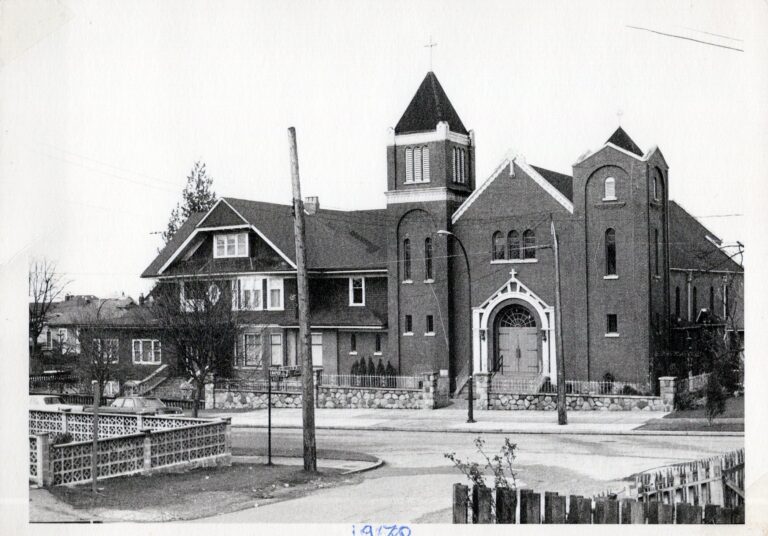
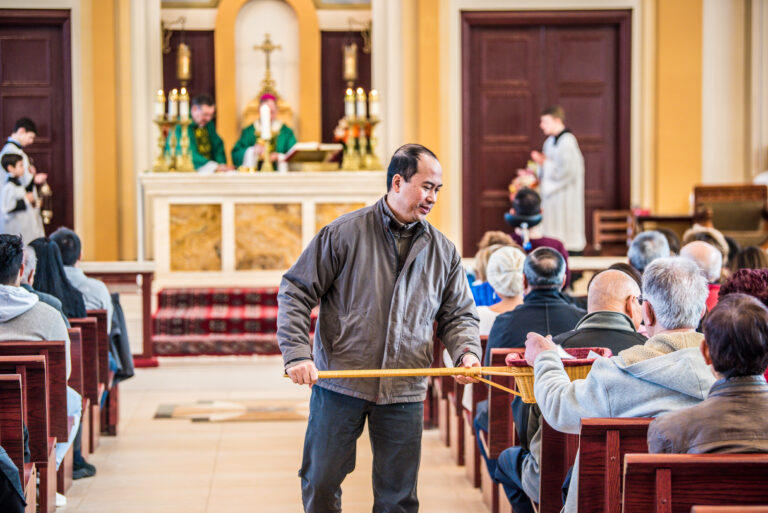
Caring for an individual with dementia is “a marathon, not a race,” said Tyrell, the CEO of Personalized Dementia Incorporated, a consultation service for educating caregivers and professionals on the topic of Alzheimer’s disease and other related dementias. She spoke to 30 people March 16 at a CWL-sponsored talk at Our Lady of Lourdes Church in Coquitlam.
“Dementia is not a disease, but a syndrome. Common symptoms include memory and thinking impairment, judgement and communication problems, and personality changes,” she explained.
Individuals with dementia could be suffering from a wide-range of causes, including depression, Vitamin B12 deficiency, or Parkinson’s disease. Some of these can be treated with proper medication, but others, such as Alzheimer’s, are incurable. Tyrell advised individuals suffering from symptoms to visit their doctor, noting some curable causes of dementia could become permanent if left untreated.
According to the Alzheimer Society of Canada, 564,000 Canadians are currently living with dementia and 1.1 million Canadians are being affected by the syndrome, Tyrell said. “25,000 new cases are being diagnosed every year, and these numbers are predicted to triple by 2050.”
When dealing with individuals with dementia, acceptance and patience are of the upmost importance. “Feelings and emotions stay longer with their memory, especially when compared with facts,” she said. “It’s hard to be patient, but people suffering from dementia need that most of all.”
The emotional aspect of every interaction sticks, so an outburst of anger or irritation towards someone suffering from dementia will leave them feeling confused and hurt, even after they have forgotten about the event itself. At the same time, interpersonal therapy or physical affection such as “a hug to show you care” can “stay with them mentally when they see you.”
Tyrell also emphasized the need to “keep the peace through conciliatory gestures to show you’re not trying to fight.” Dementia often causes lapses in temporal memory and the resulting confusion can frighten and agitate people. One of her patients would demand to leave the care facility so he could milk his cows, despite having his farm sold many years ago. “It’s okay to be with them in their reality. Try to let them bring themselves to our reality.”
She would use “reasoning that’s logical to that person” to calm him, telling the man she had called his brother who had already milked the cows. “This provides a duo benefit to both them and their caregivers in the form of reassurance and an overall feeling of peace.”
“My sister and I had to care for my mother who had Alzheimer’s,” said Cristie Faudsto, a member of Our Lady of Lourdes Parish’s CWL and event organizer. “We didn’t know what to expect so we had to learn from scratch. Karen is a professional who specializes in dementia, so it’s good to offer this to people who have loved ones affected by this.”
With Alzheimer’s heritable in Faudsto’s family, she noted the workshop would help her family care for her. “I told my husband and my son, if you truly love me, you will attend this workshop,” she laughed